OVERVIEW
Designing a fitness platform for people rebuilding their lives after trauma
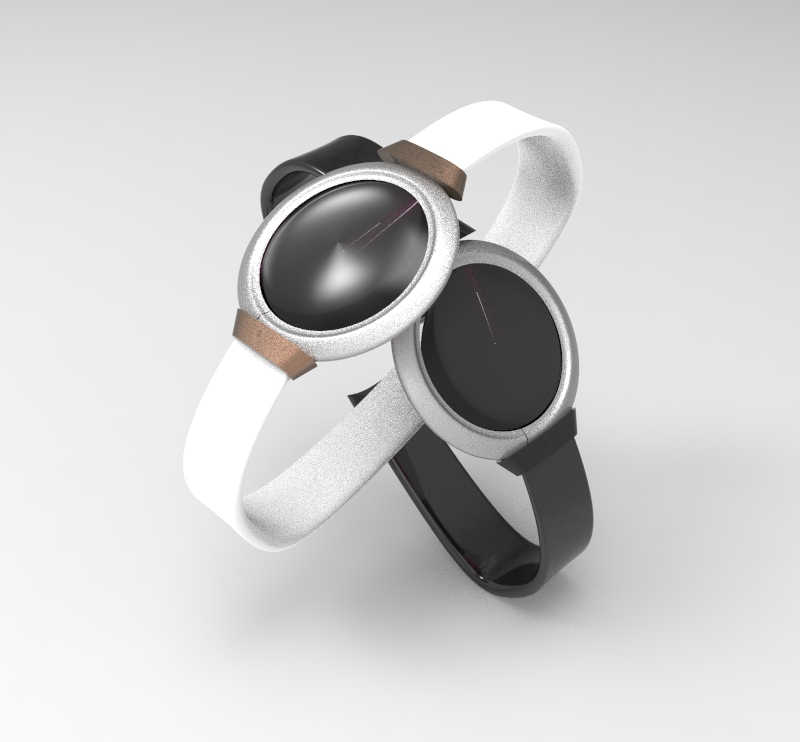
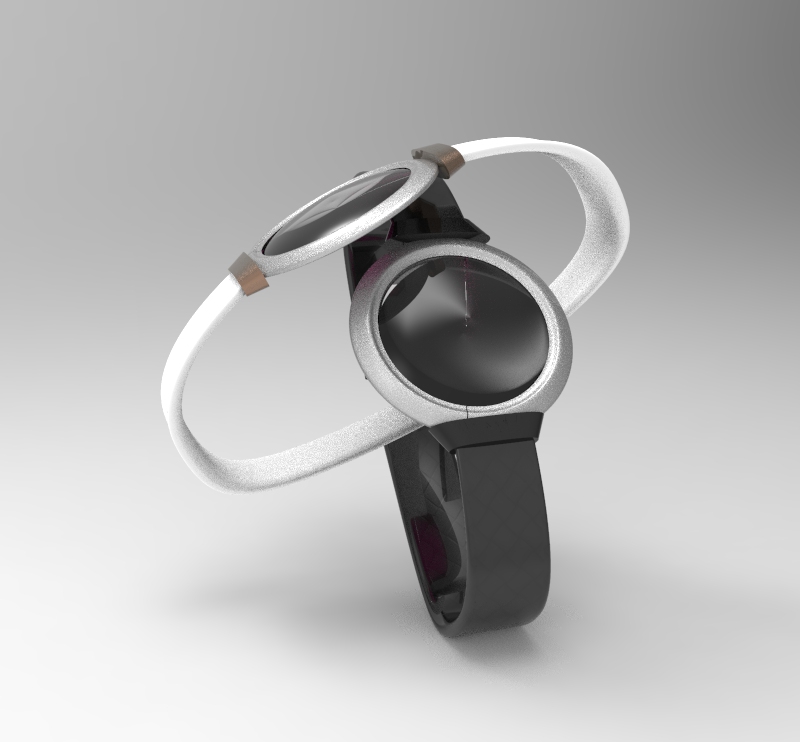
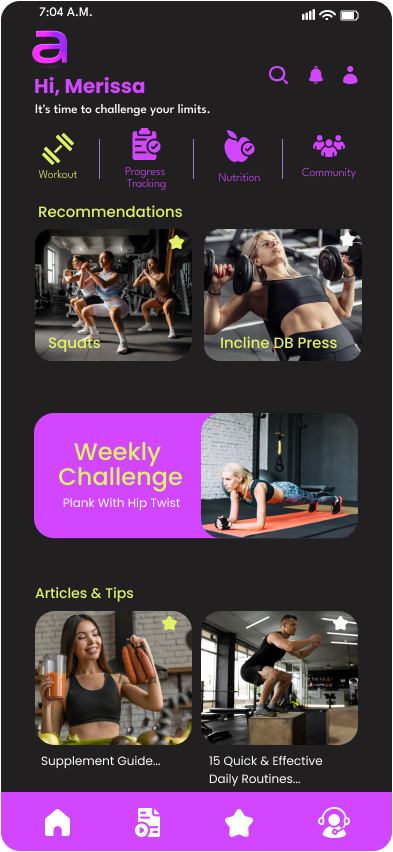
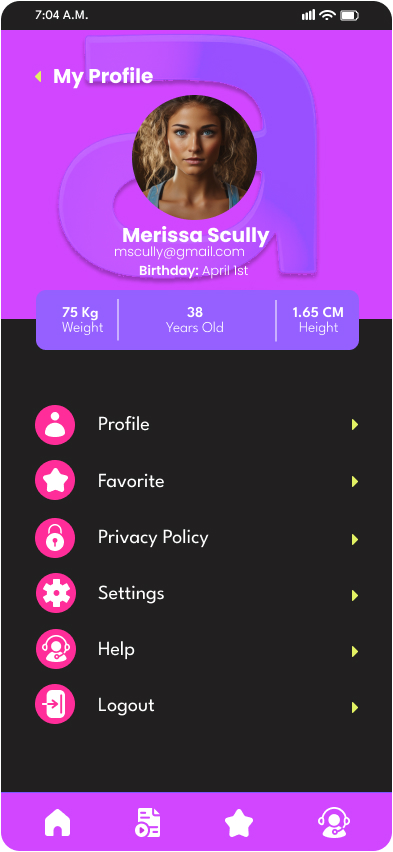
AONAR is a fitness-tech startup I founded after going through my own divorce and finding the gym was the one place I could rebuild myself. The platform combines wearable motion tracking, AI form feedback, and emotional accountability tools for people navigating major life transitions. This case study covers the full journey from concept to launch-ready prototype, including brand identity, UX architecture, hardware design, and the app interface.
AONAR has secured a formal university partnership with Wartburg College Exercise Science for Phase I user testing. Strategic advisor Keith Kirkland is the founder of Haptic N9ne and a co-founder of Wearworks, a company that created the first haptic device that enabled the first blind person to run the New York City Marathon unassisted. His guidance drives AONAR's sensor integration and haptic system design. In June 2026 AONAR submitted an NSF SBIR Phase I application on day one the portal opened targeting $275,000 in federal R&D funding.
- Project: Founding and Designing AONAR – Brand, UX/UI, and MVP Ecosystem
- Current Status: Active SBIR Grants Applied
- Role: Founder & Principal Product Designer
- Scope: Hardware + Software + UX
- Duration: Ongoing (2024–Present)
- TOOLS: Figma, Notion, FlowMapp, Photoshop, Midjourney, Webflow, Rhino, Adobe Creative Suite
THE SOLUTION.
Designing Strength and Self-Rescue
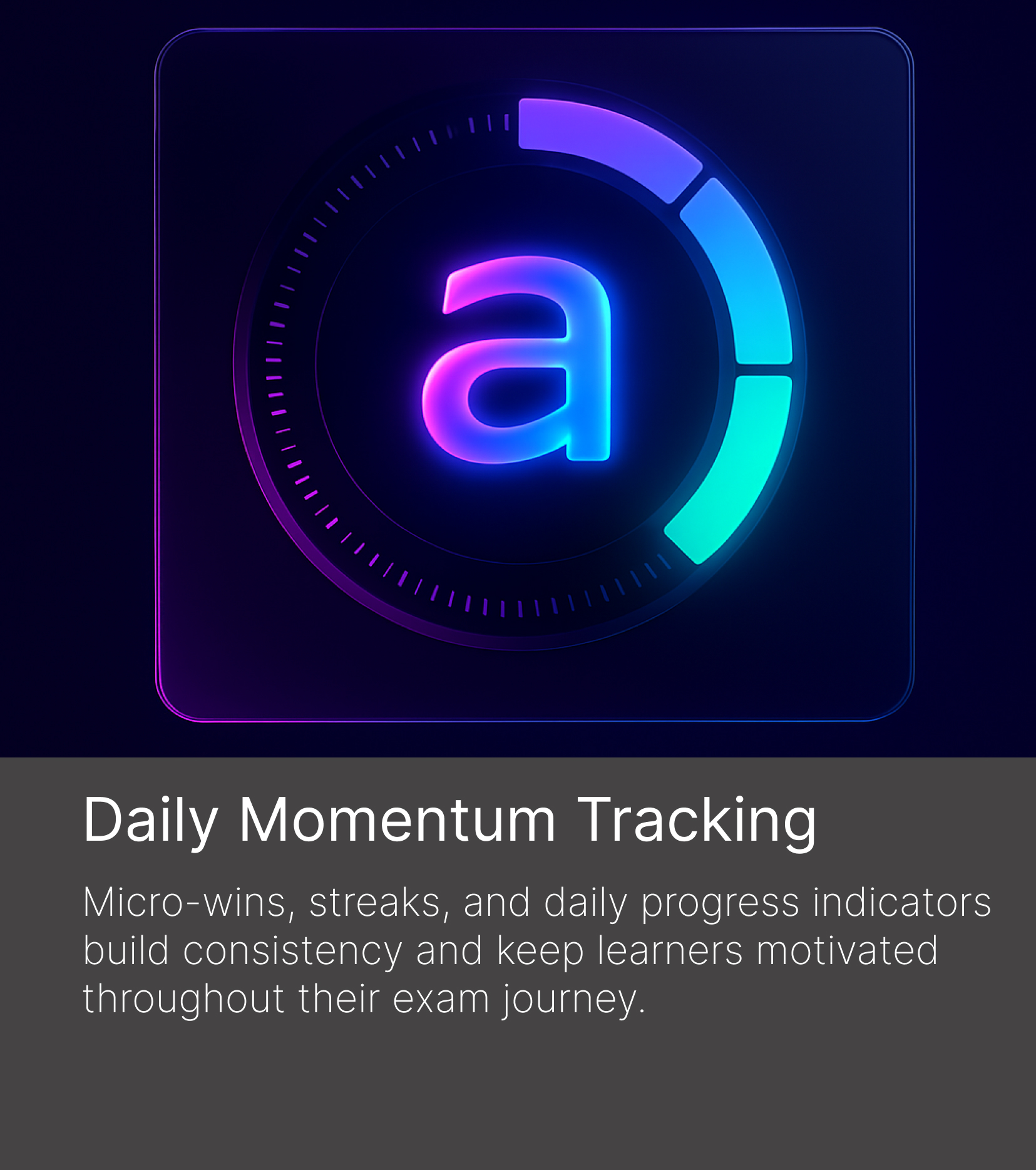
Most fitness apps track your reps. AONAR tracks your recovery. I designed a platform that treats physical training and emotional rebuilding as the same journey, giving users real-time form feedback from a wearable device, daily mindset prompts, and a community of people who understand what it means to start over. The goal was simple: make people feel strong again, one workout at a time.

PLAN OF ACTION


DISCOVERY
DEFINE
IDEATE
PROTOTYPE
User Interviews
Market Research
Pain Point Mapping
(Fitness + Emotional Recovery)
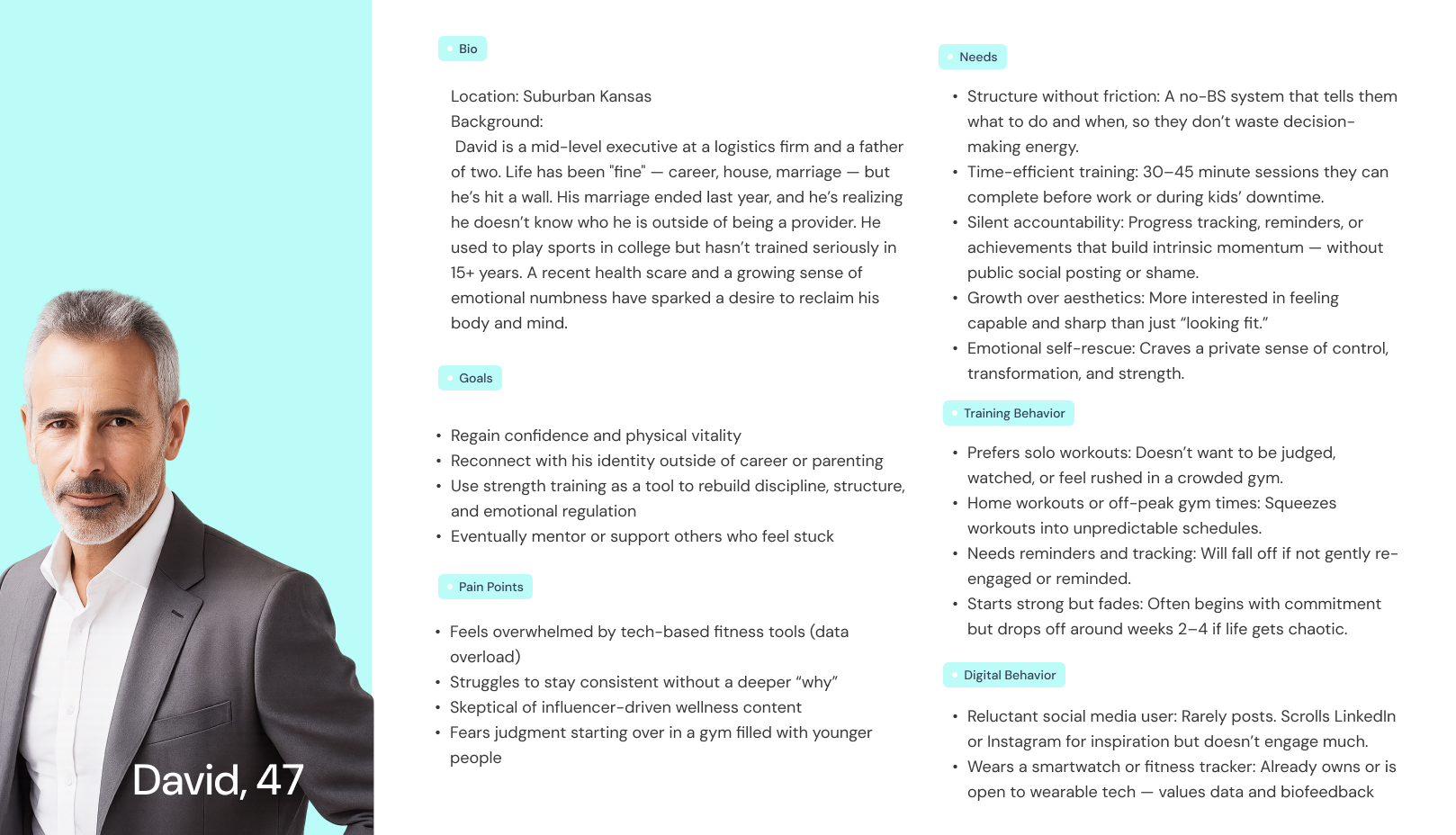
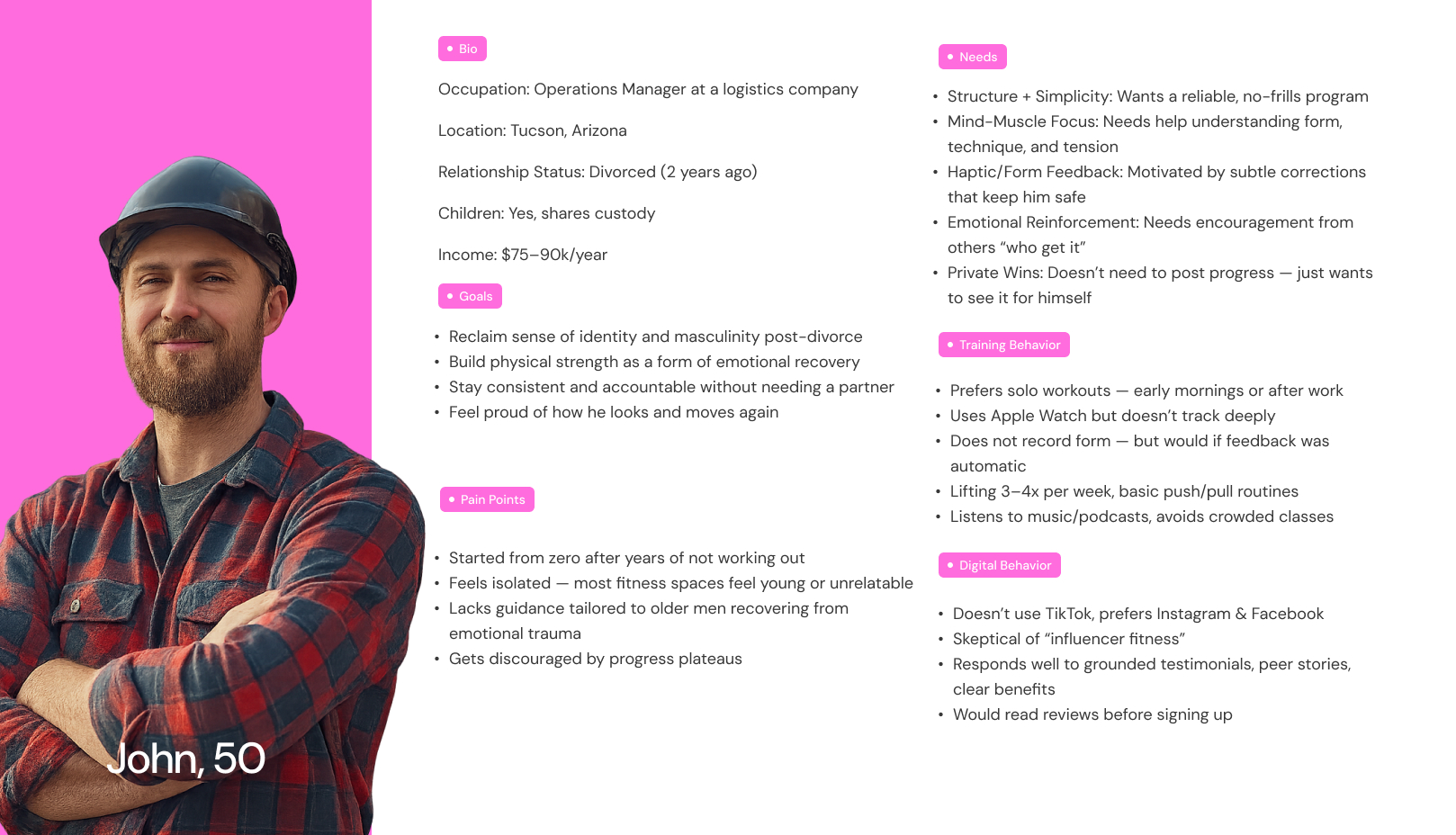
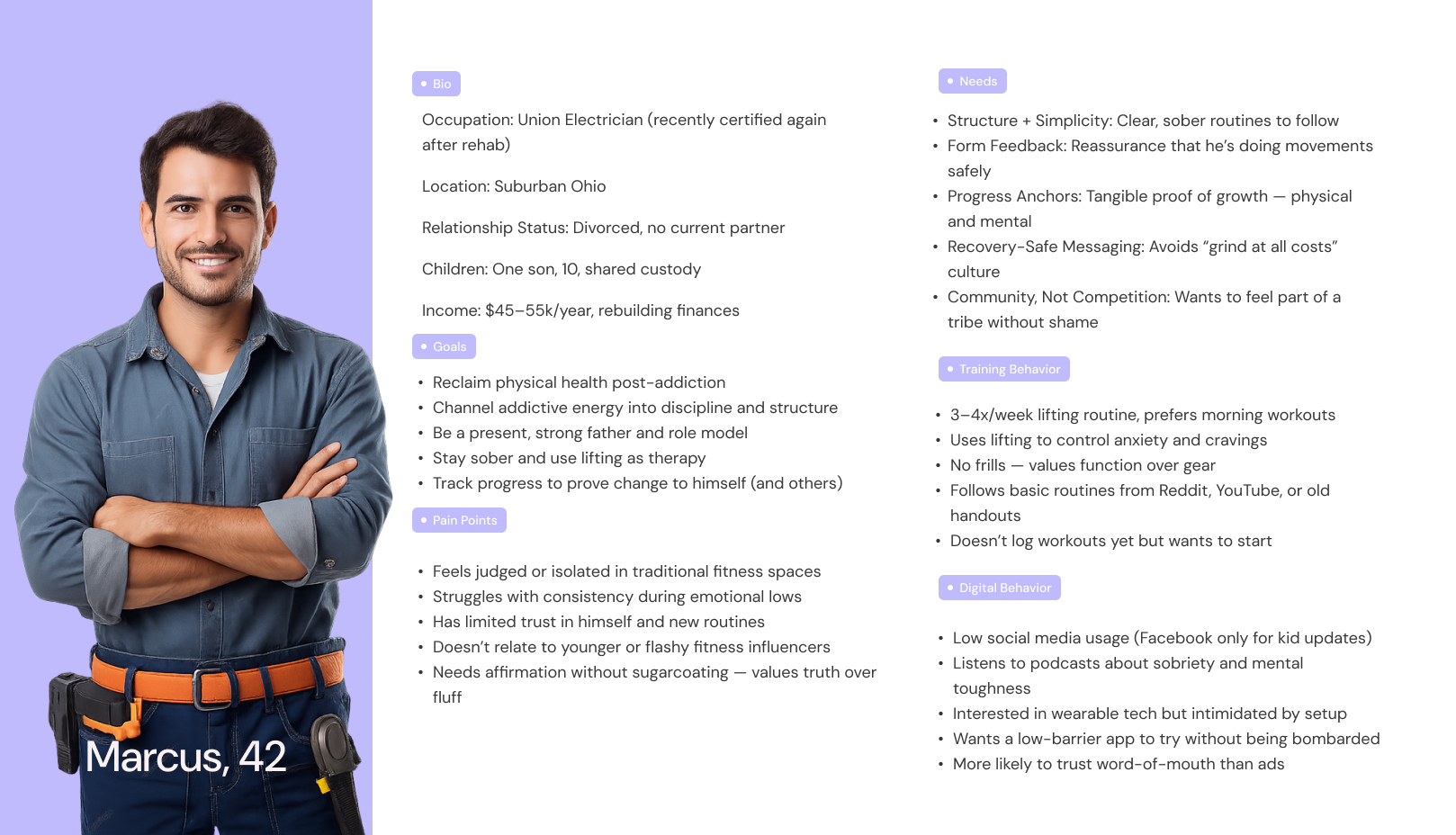
Persona Development
User Stories
Journey Mapping
(Trigger → Recovery → Empowerment)
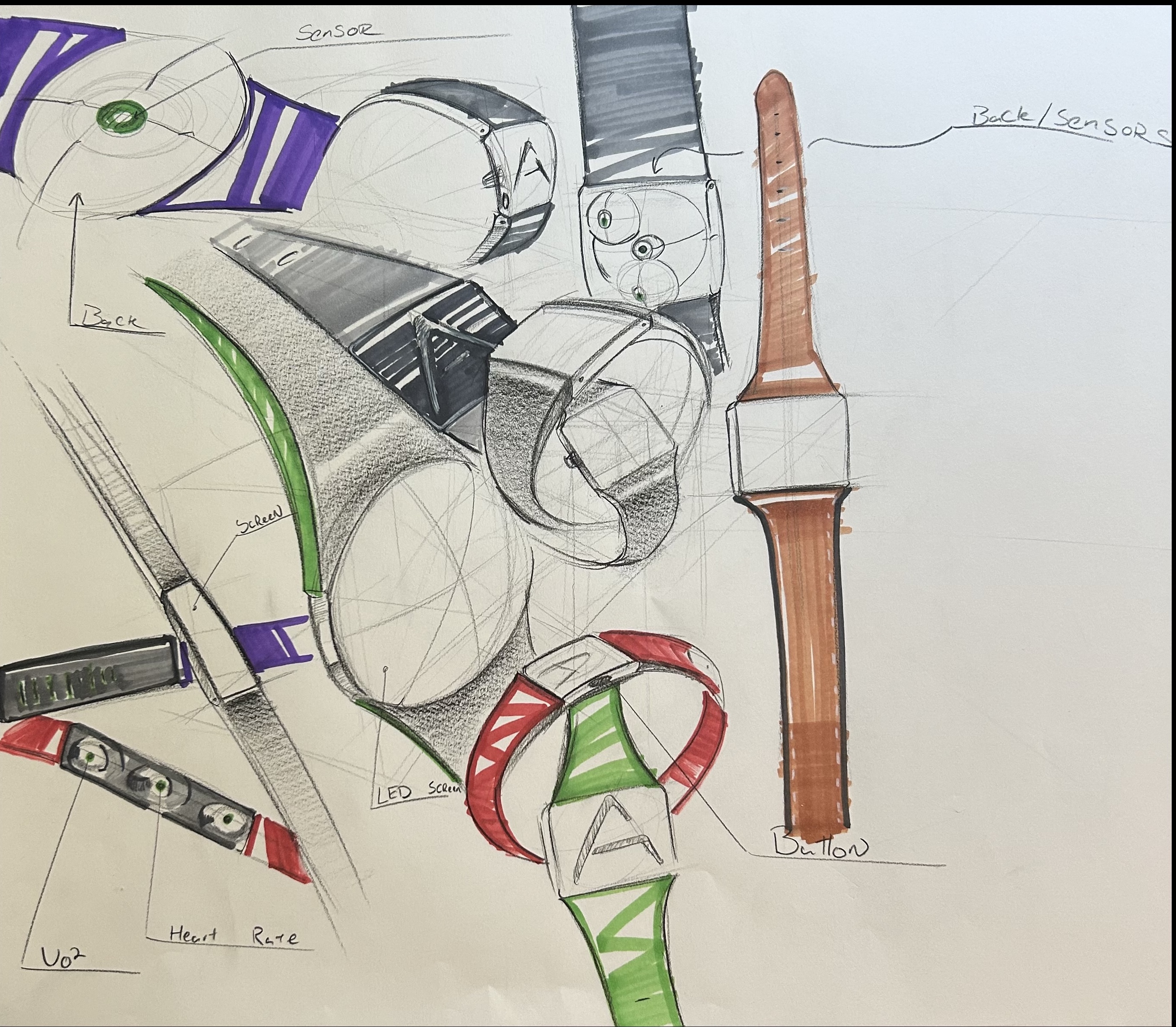
Sketching
Experience Mapping
Low to Mid-Fidelity Wireframes (App + Wearable Integration)
Visual Id & StyleGuide
High-Fidelity
Prototype
Micro-Interactions
Onboarding Animations

THE CONCEPT.
THE CONCEPT
The idea for AONAR came from my belief that strength is built in solitude, but no one should have to recover alone. After witnessing how many people lose their sense of purpose and identity following divorce, burnout, or trauma, I wanted to design a platform that helps them rebuild both body and mind.
AONAR was created to transform pain into discipline, merging fitness, design, and technology into a system of self-rescue. Every feature is designed to remind users that growth starts the moment they decide to stand back up.
PROBLEM & SOLUTION.
PROBLEM
SOLUTION
- Fragmented Recovery Data: Most fitness platforms fail to correlate physiological biometric data (wearables) with psychological recovery states, leaving a gap in holistic health monitoring.
- Individuals recovering from divorce, addiction, or burnout struggle to rebuild consistent structure and motivation.
- There's no platform combining strength training, mindfulness, and accountability into one cohesive system.
- Users lack community driven support that respects privacy while inspiring longterm resilience.
- Integrated Bio-Feedback Loop: Engineered a cross-platform ecosystem that synthesizes real-time AI motion analysis with wearable biometric data to provide an adaptive, state-aware recovery journey.
- Built a motivational, minimalist interface that blends strength tracking with daily mindset prompts.
- Developed adaptive training flows informed by emotional state and wearable feedback.
- Integrated community accountability and storytelling, allowing users to train alone but rise together.
ARCHITECTURE.
How the System Works
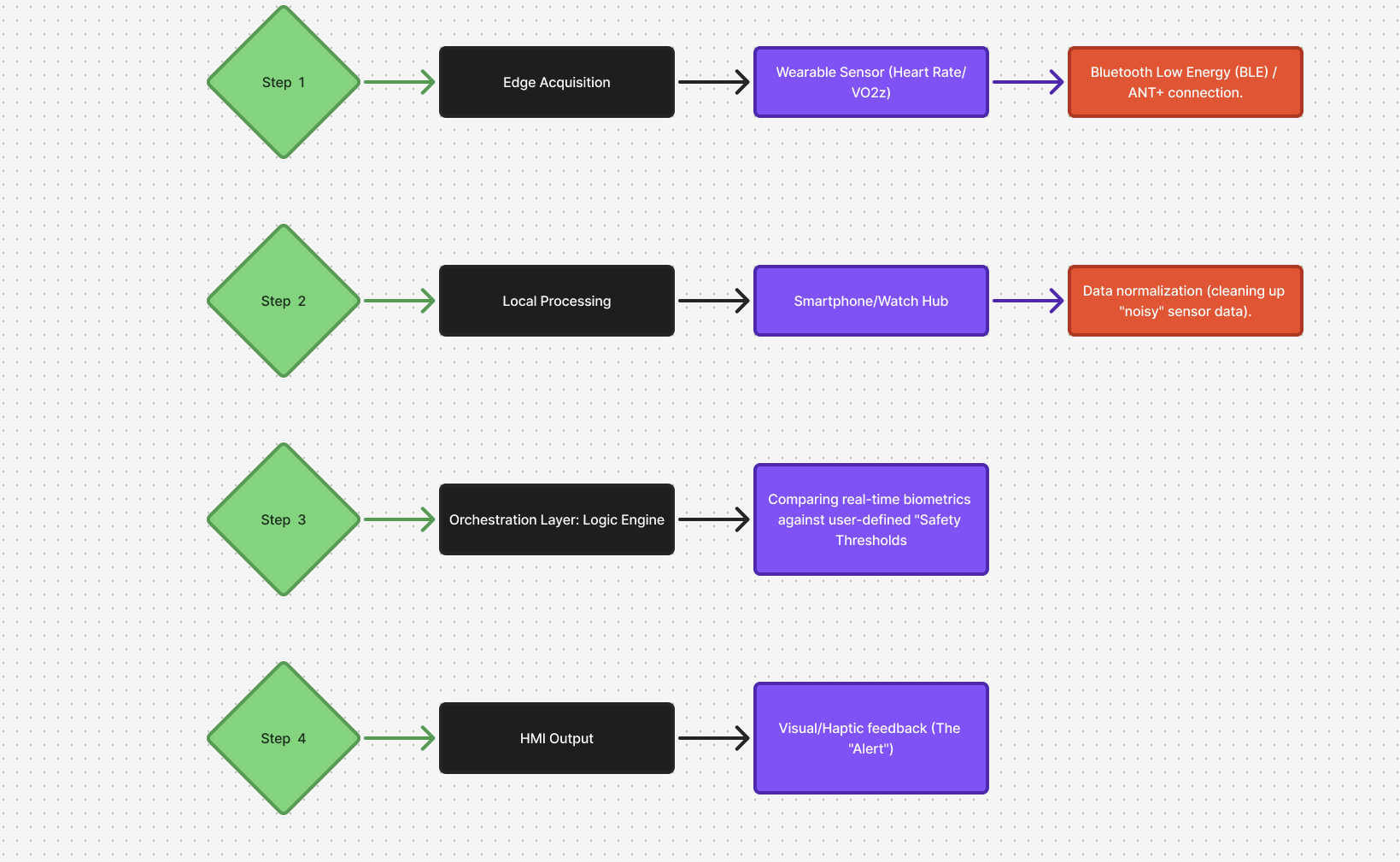
Architected a low-latency pipeline for biometric ingestion, utilizing Bluetooth Low Energy (BLE) and ANT+ protocols to ensure persistent connectivity with wearable sensors (HR/VO2). By implementing edge-side normalization, the system filters 'noisy' sensor data locally, reducing cloud-compute overhead and extending device battery life.
The Orchestration Layer: Logic Engine
At the core of Aonar is a proprietary logic engine that performs real-time biometric orchestration. The system compares incoming physiological data against user-defined 'Safety Thresholds' and baseline health metrics. This layer handles the complex decision-making required to distinguish between high-intensity exertion and critical physiological distress.
HMI Output & Failsafe Feedback
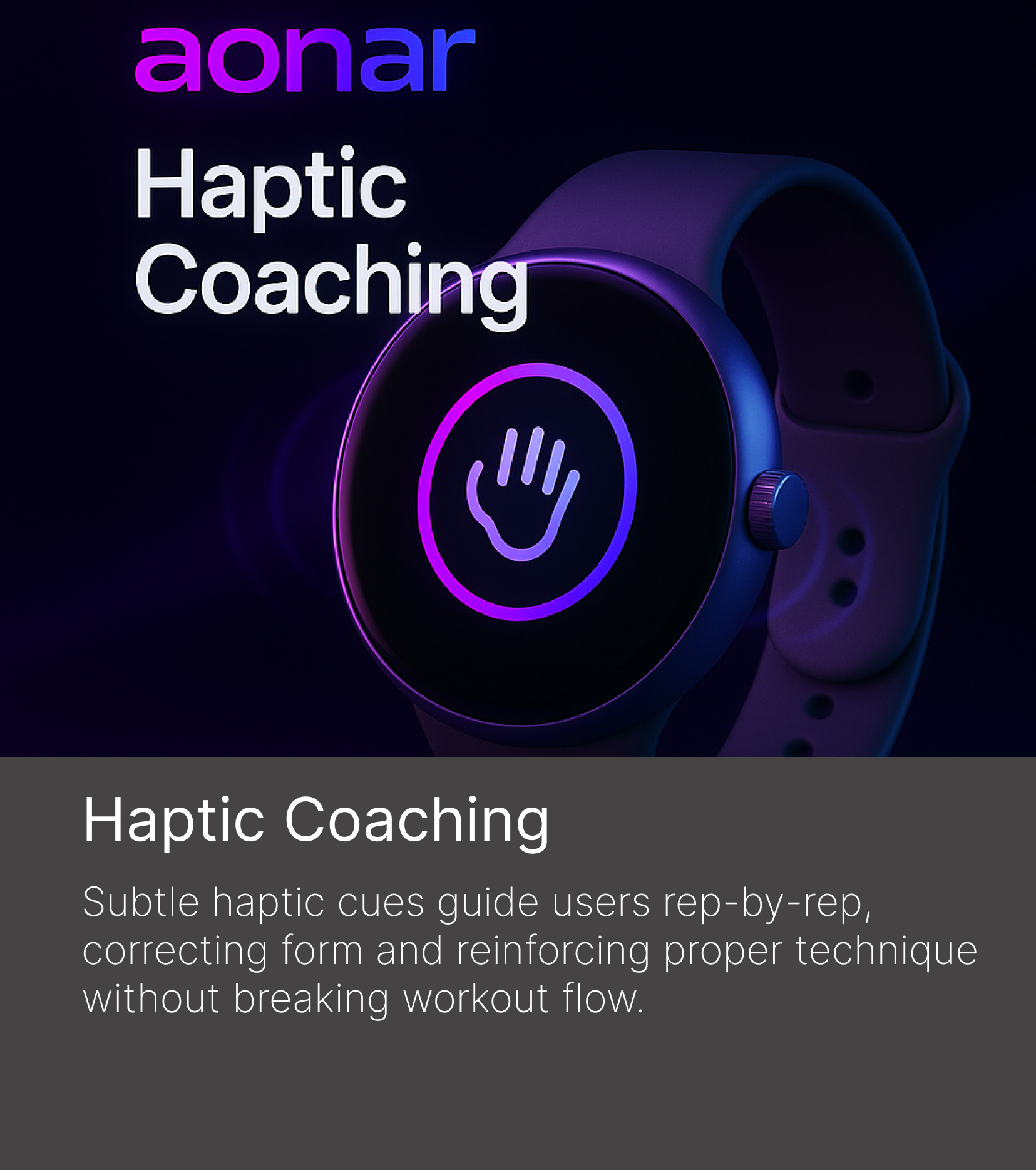
Designed a high-visibility Human-Machine Interface (HMI) that delivers critical alerts via multi-modal feedback (Visual/Haptic). The architecture ensures that safety-critical notifications bypass standard notification queues, providing users with immediate, actionable data during high-stress biometric events.